Future of AI-Powered Outpatient Departments: From Reactive Care to Intelligent OPD Experiences
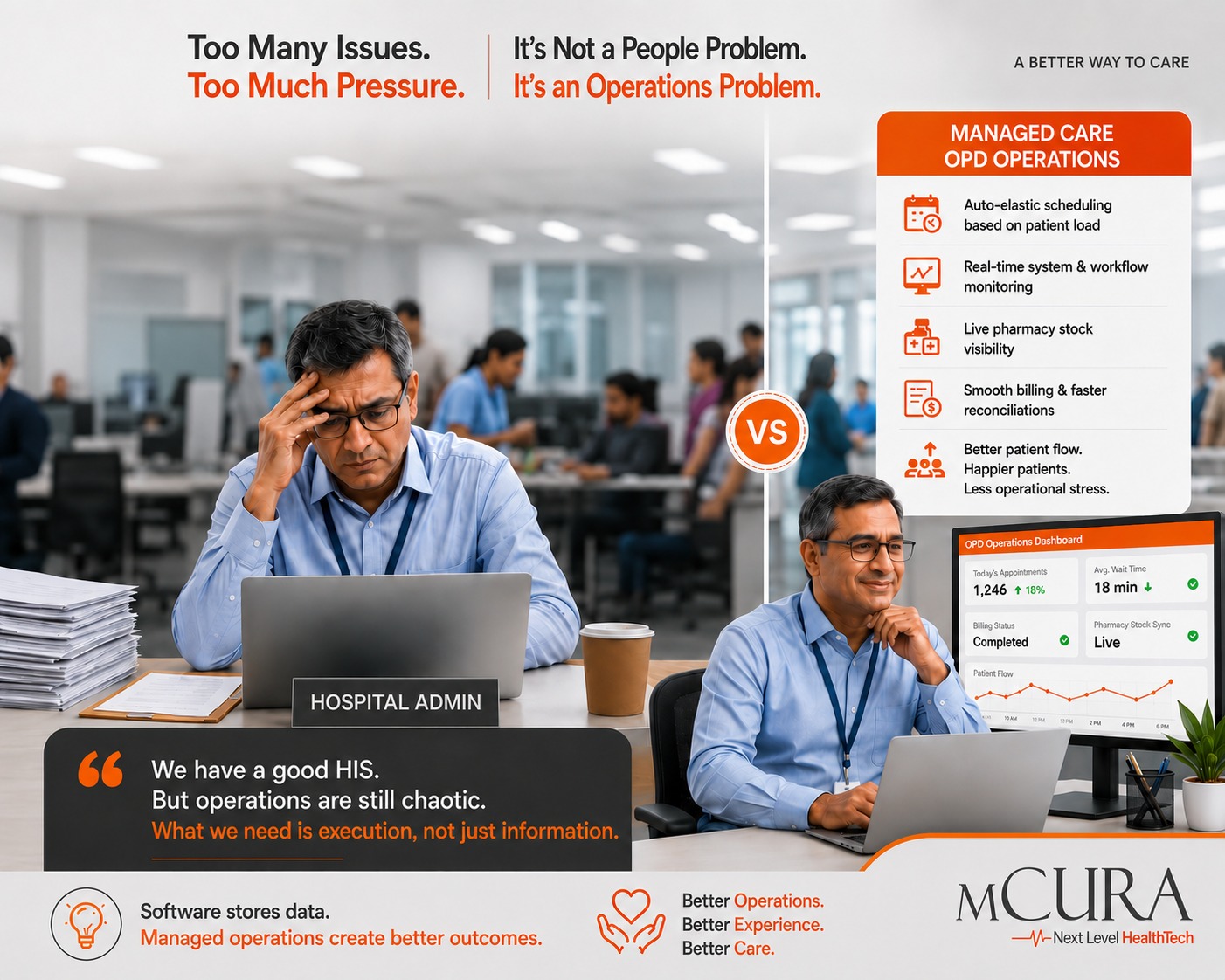
Hospitals may have advanced infrastructure, experienced doctors and expensive Hospital Information Systems (HIS), yet patients still often experience confusion, delays and operational stress during OPD visits.
The future of AI-powered outpatient departments is not just about digitizing hospitals. It is about transforming OPD operations into intelligent, connected and proactive healthcare experiences.
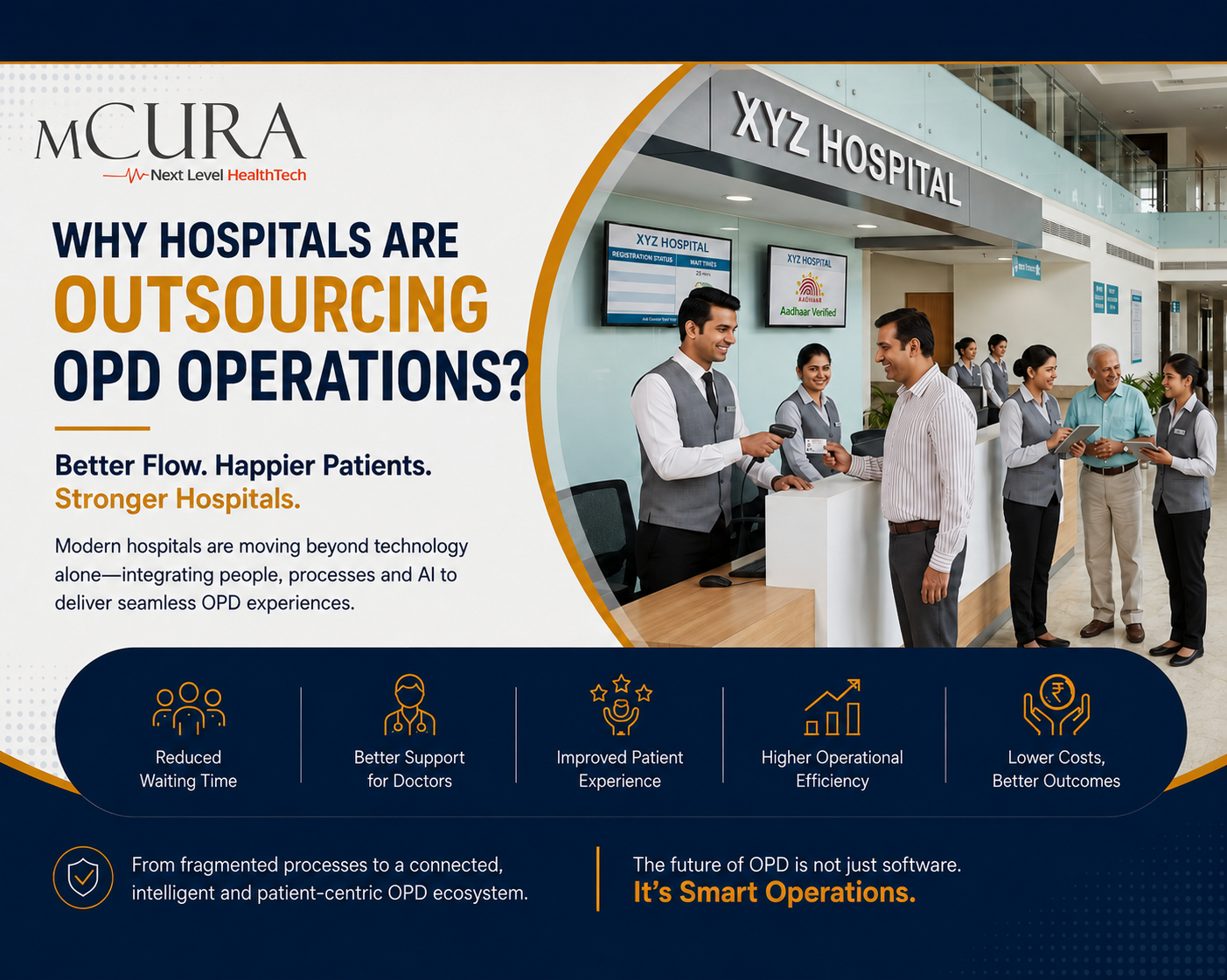
Modern hospitals are now moving towards AI-powered OPD outsourcing models where technology, operational manpower, workflow execution and patient coordination work together seamlessly.
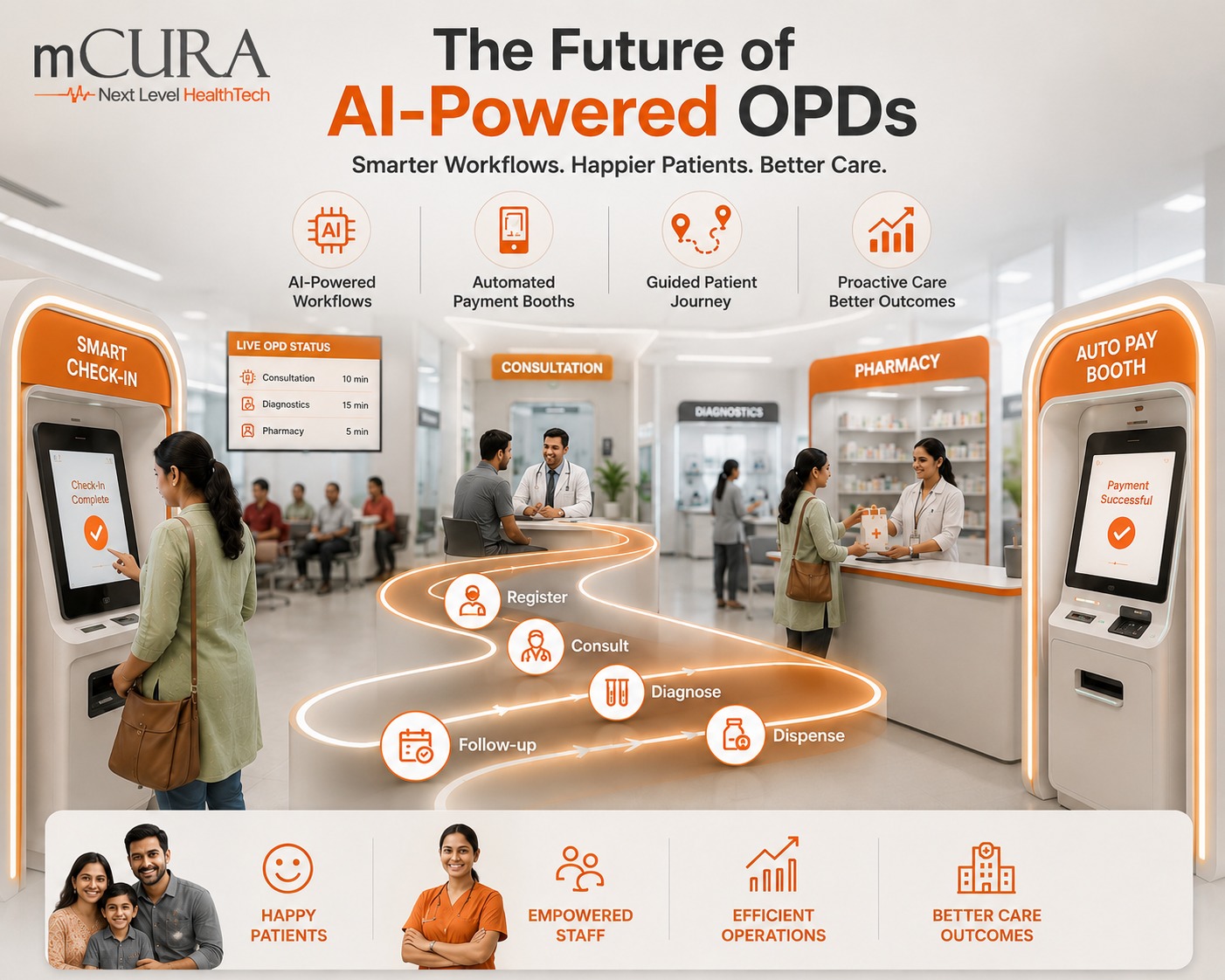
Imagine an outpatient department where automated payment booths reduce billing delays, AI-powered workflows dynamically manage patient flow and smart operational systems guide patients smoothly from consultation to diagnostics, pharmacy and follow-ups.
The Evolution of Intelligent OPD Experiences
Patients no longer need to repeatedly ask hospital staff where to go next. Real-time OPD workflow management systems can provide estimated waiting times, billing visibility, pharmacy coordination and guided patient navigation throughout the treatment cycle.
This shift is helping hospitals move from reactive healthcare operations to proactive patient care management.
- AI-powered patient flow management
- Automated billing and payment workflows
- Real-time queue visibility and coordination
- Guided patient navigation across departments
- Connected healthcare ecosystems with intelligent automation
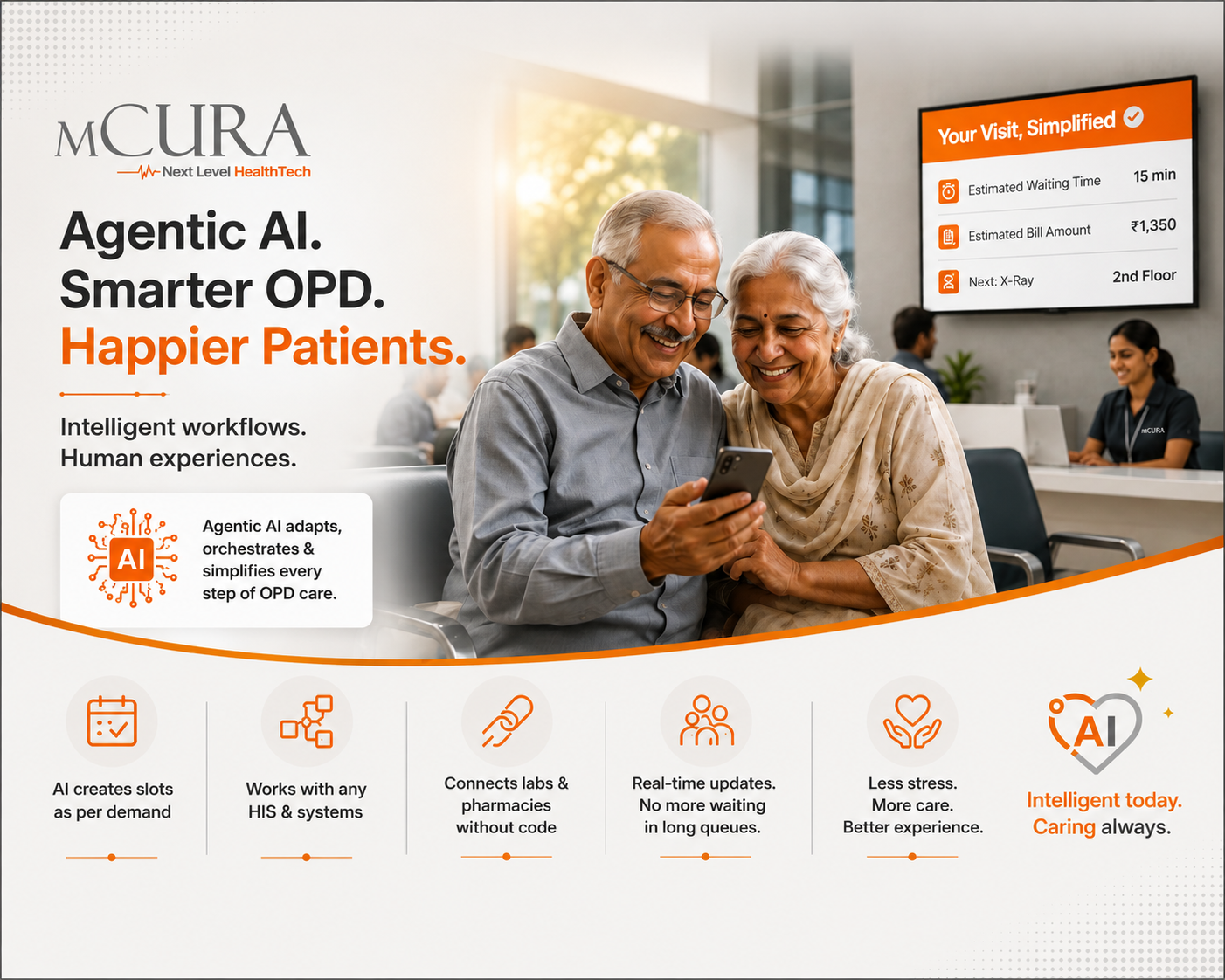
Modern Agentic AI-powered OPD platforms can automatically create consultation slots based on patient load, optimize hospital workflows during peak hours and integrate with legacy HIS, labs and pharmacy systems even when APIs are unavailable.
For hospital administrators and CIOs, AI-powered OPD management improves operational efficiency, reduces workflow disruptions and modernizes outpatient departments without requiring complete infrastructure replacement.
For doctors and hospital staff, it reduces operational burden and improves workflow coordination.
And for patients, it creates faster, calmer and more transparent healthcare experiences.
The future of OPD management is no longer only about hospital software.
It is about intelligent OPD operations, AI-powered patient journeys and connected healthcare ecosystems designed around the patient experience.
Because the future of healthcare will belong to hospitals that make care feel seamless, proactive and human-centered.