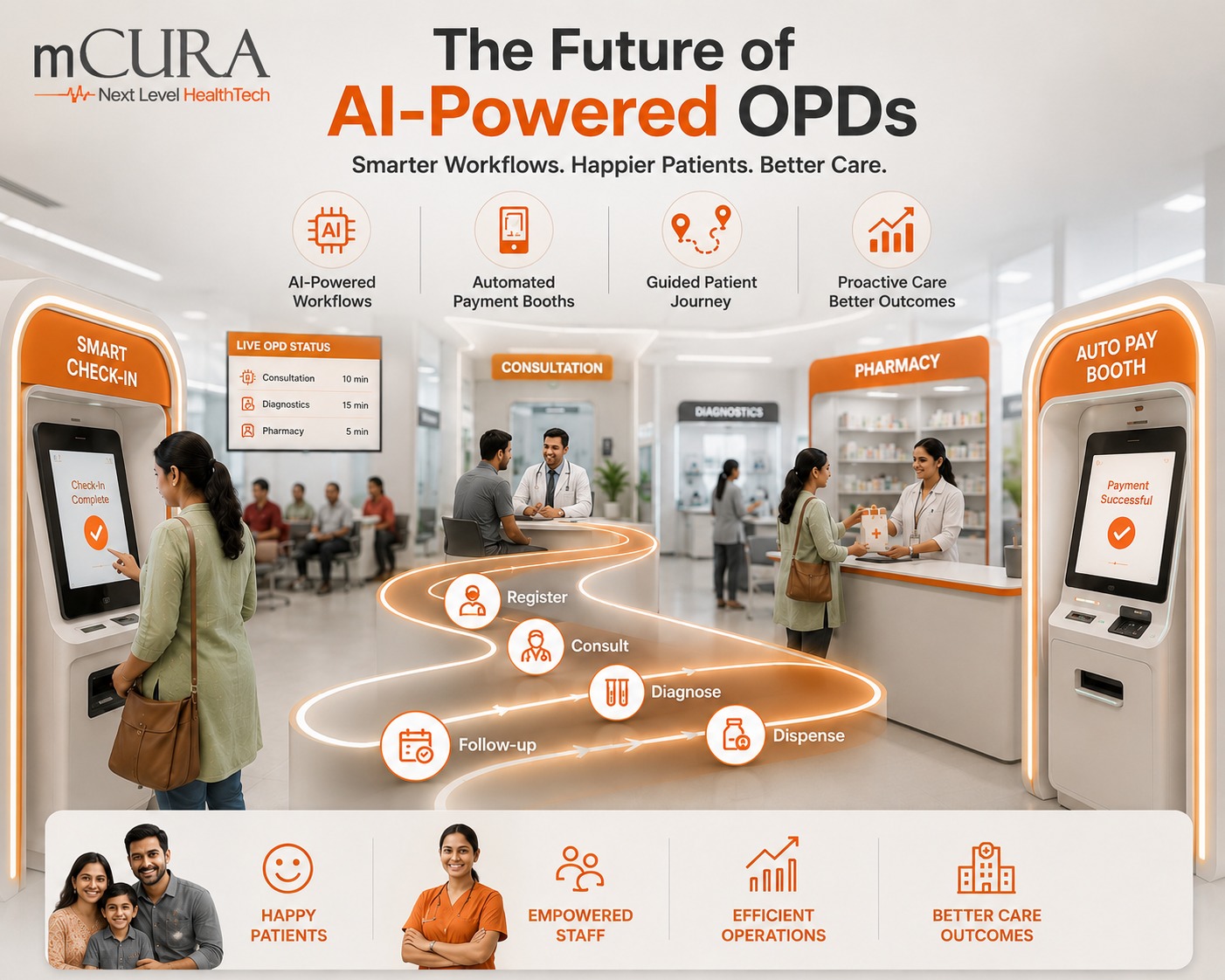
How Agentic AI Is Transforming OPD Workflow in Modern Hospitals?
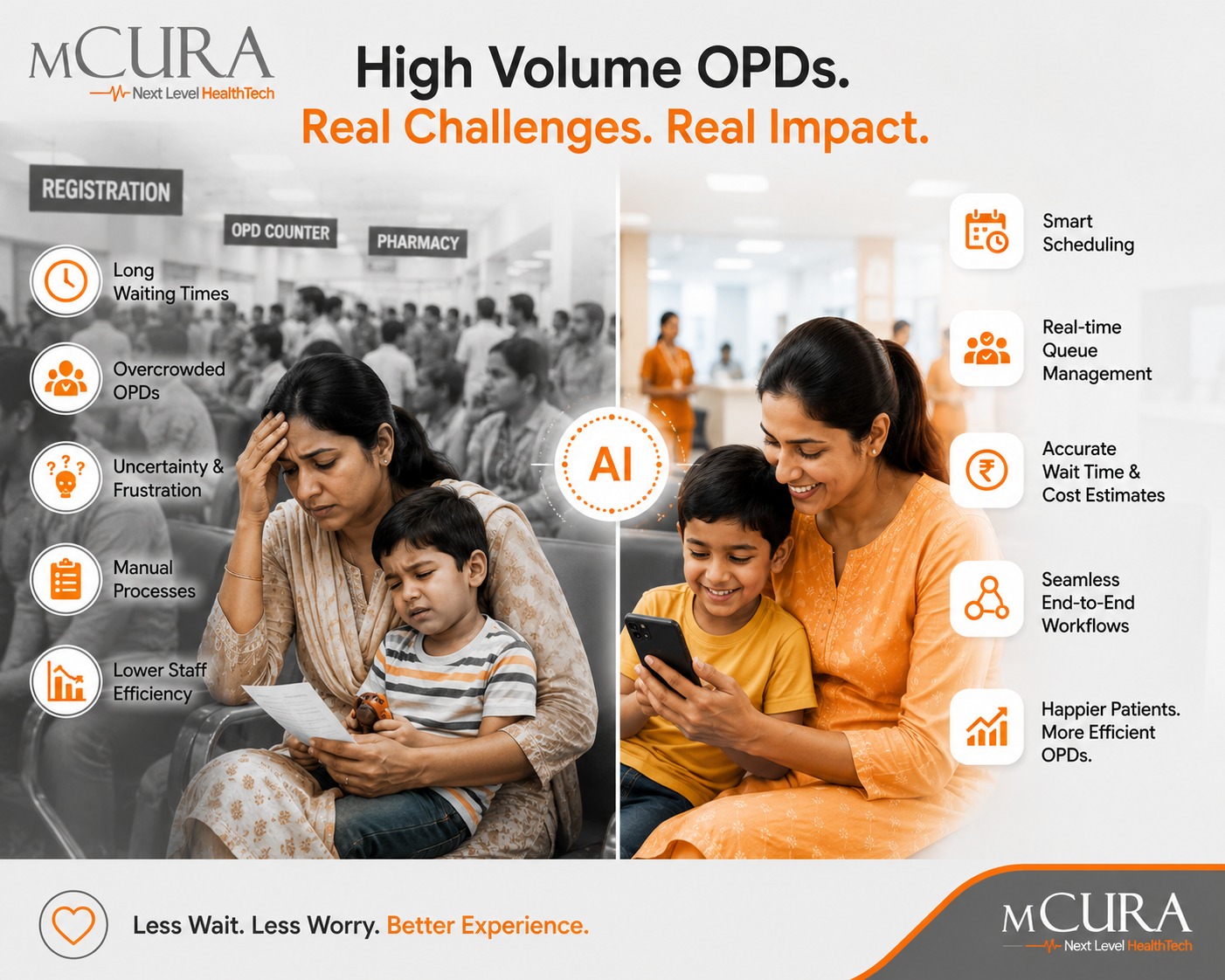
Every day, thousands of patients walk into hospital OPDs expecting clarity, comfort and faster care. Instead, many still face long queues, repeated registrations, uncertain billing estimates and confusion while moving between diagnostics, pharmacy and consultation counters.
Hospitals, too, are struggling under growing operational pressure.
This is where Agentic AI is beginning to redefine OPD operations.
Unlike traditional hospital software that depends heavily on manual coordination and static workflows, Agentic AI introduces intelligent operational decision-making into the OPD ecosystem.
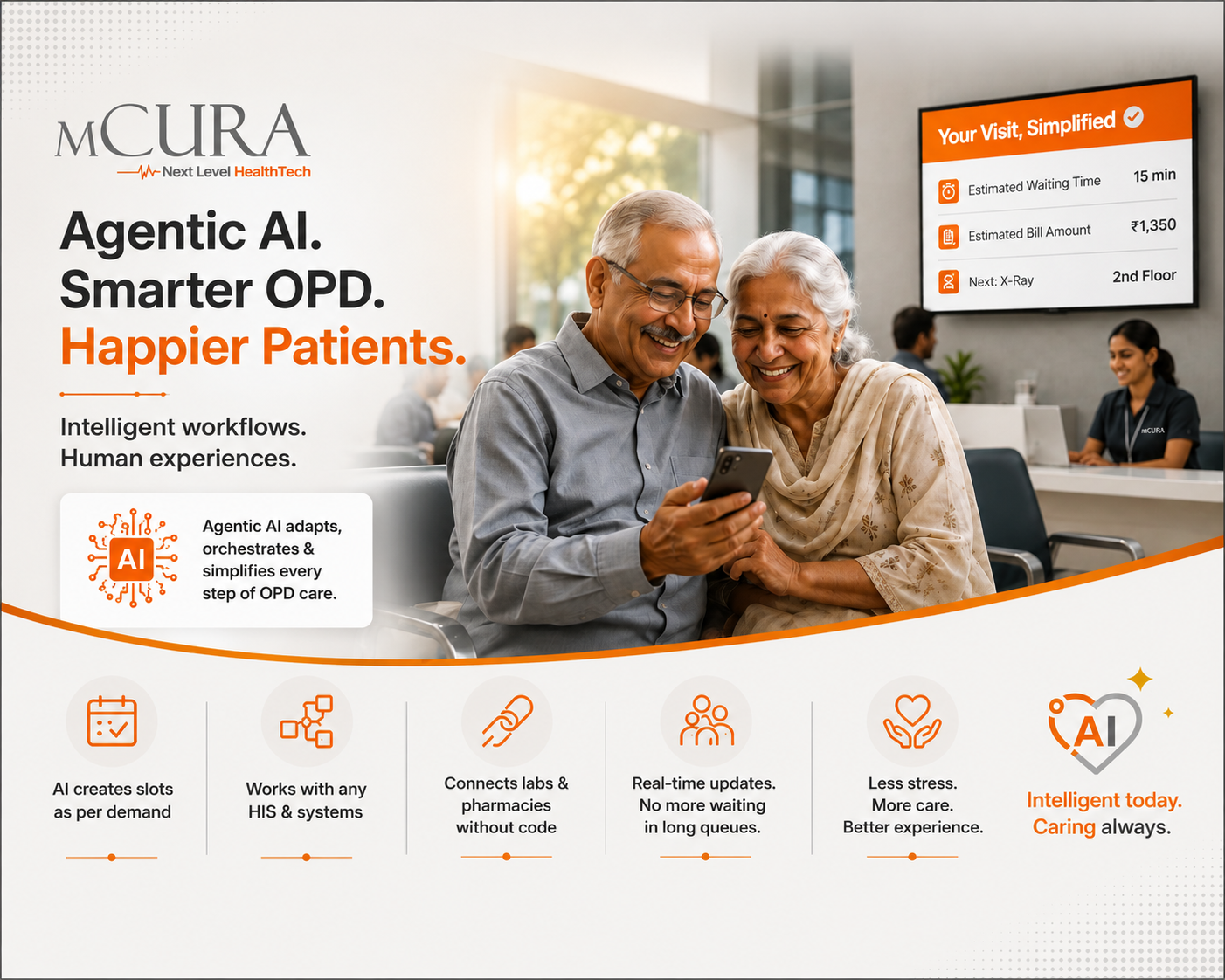
For example, modern AI-powered OPDs can now create auto-elastic consultation slots dynamically based on booking volume, doctor availability and real-time patient flow — without requiring human intervention. During peak hours, the system intelligently optimizes scheduling and queue movement to reduce operational bottlenecks.

How Agentic AI Improves OPD Operations
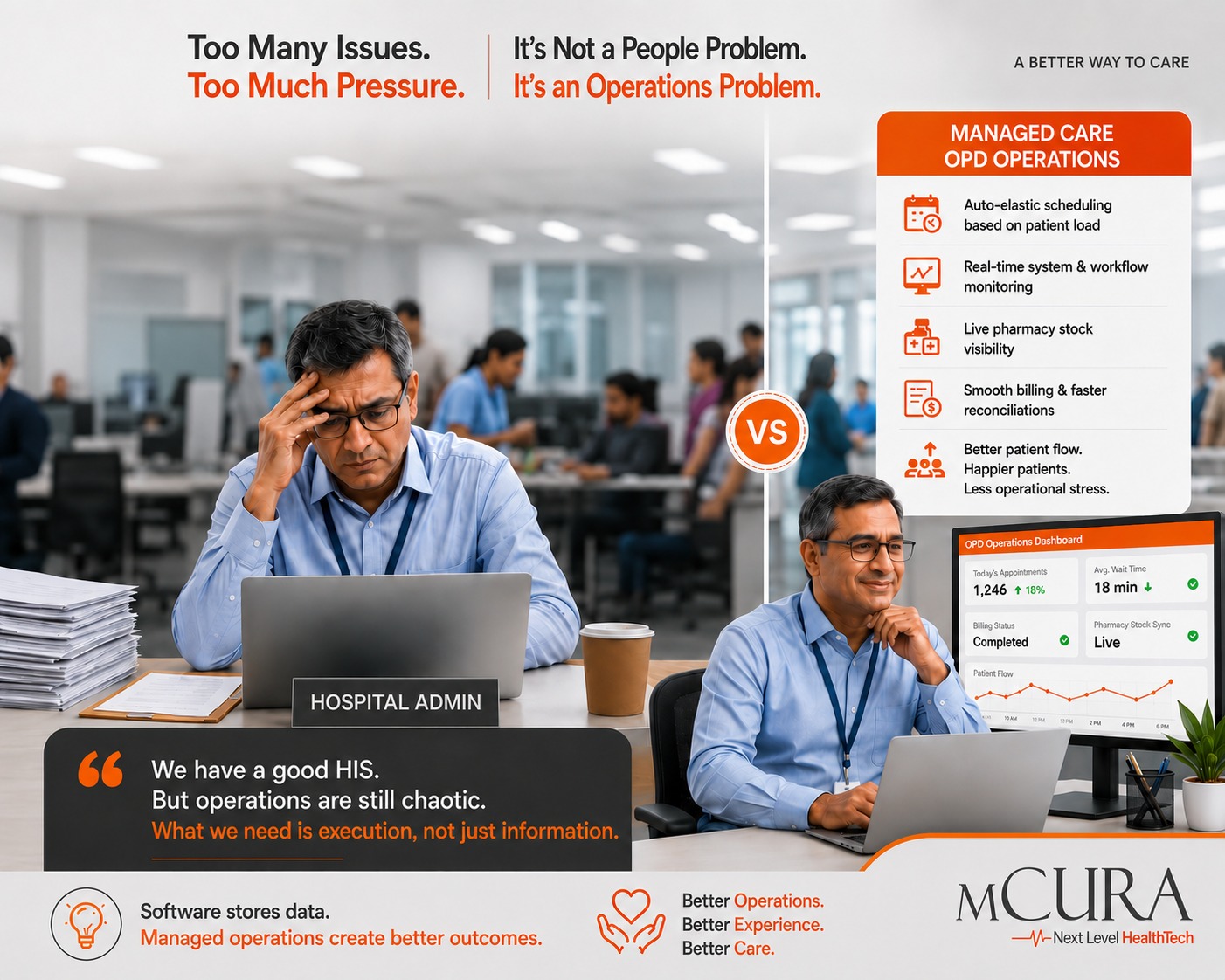
One of the biggest challenges in healthcare digitization has always been fragmented systems and lack of APIs across legacy HIS platforms, labs and pharmacy software. Agentic AI is now helping hospitals create intelligent integration layers even when APIs are unavailable.
Instead of forcing hospitals to replace existing infrastructure, AI-powered workflow orchestration can connect consultations, diagnostics, billing and pharmacy processes without requiring major code changes in third-party systems.
- Dynamic appointment and consultation scheduling
- Intelligent queue and patient flow management
- Workflow automation across departments
- Integration with existing hospital systems
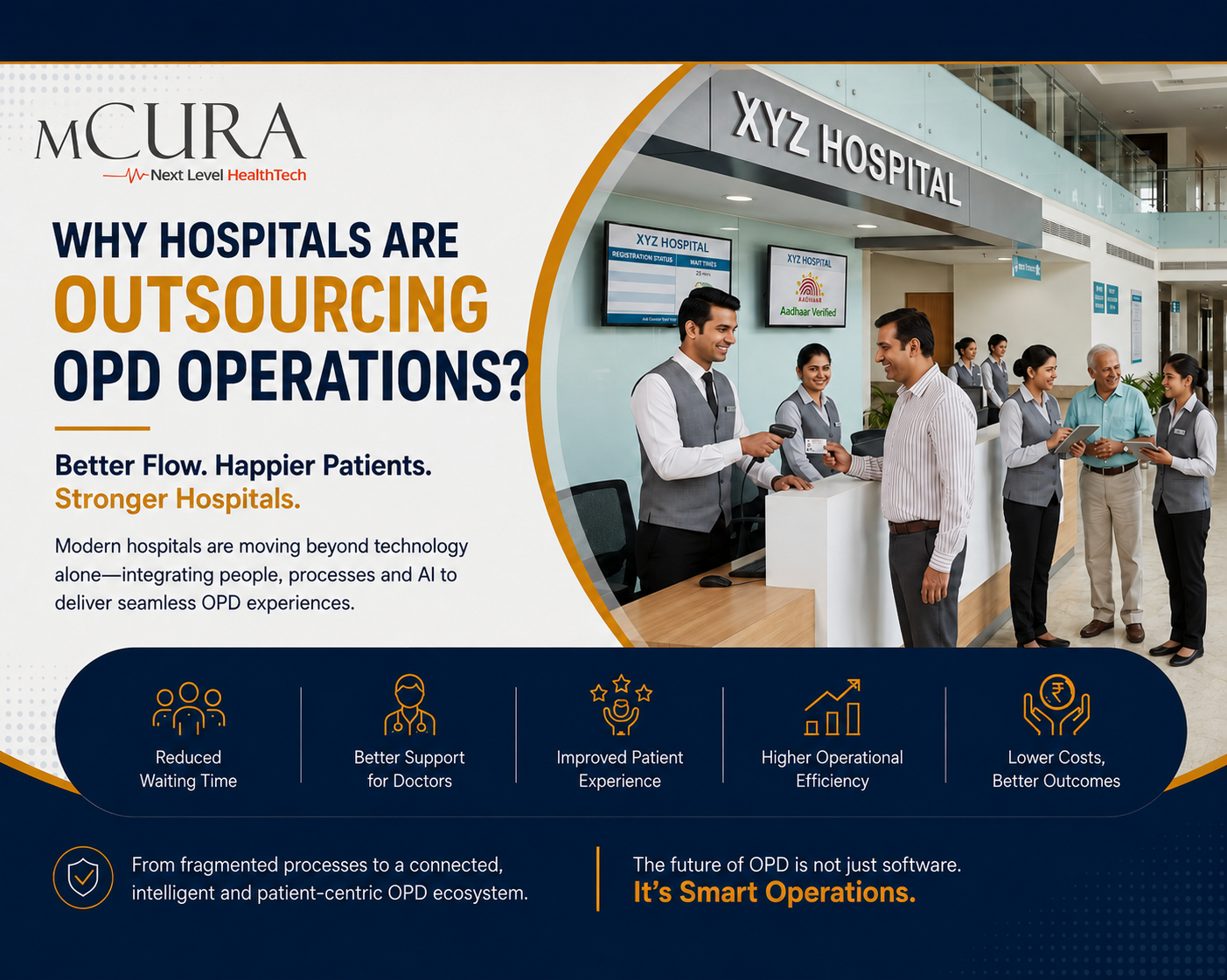
- Reduced administrative burden for staff and doctors
The impact on patients is significant.
Instead of physically reaching an X-ray or pharmacy counter only to discover a long waiting queue, patients can receive estimated waiting times, billing insights and workflow guidance in advance. This reduces confusion, improves patient movement and creates a more predictable healthcare experience.
Doctors also benefit through reduced administrative burden, faster documentation and smoother coordination across departments.
The future of OPD management is no longer just digitization. It is intelligent operational execution powered by Agentic AI, workflow automation and connected healthcare ecosystems.
Because in modern healthcare, operational efficiency is becoming as important as clinical excellence itself.