Why Hospitals Are Outsourcing OPD Operations ?
Every morning, thousands of patients walk into hospital OPDs carrying more than prescriptions and reports. They carry anxiety, uncertainty and hope.
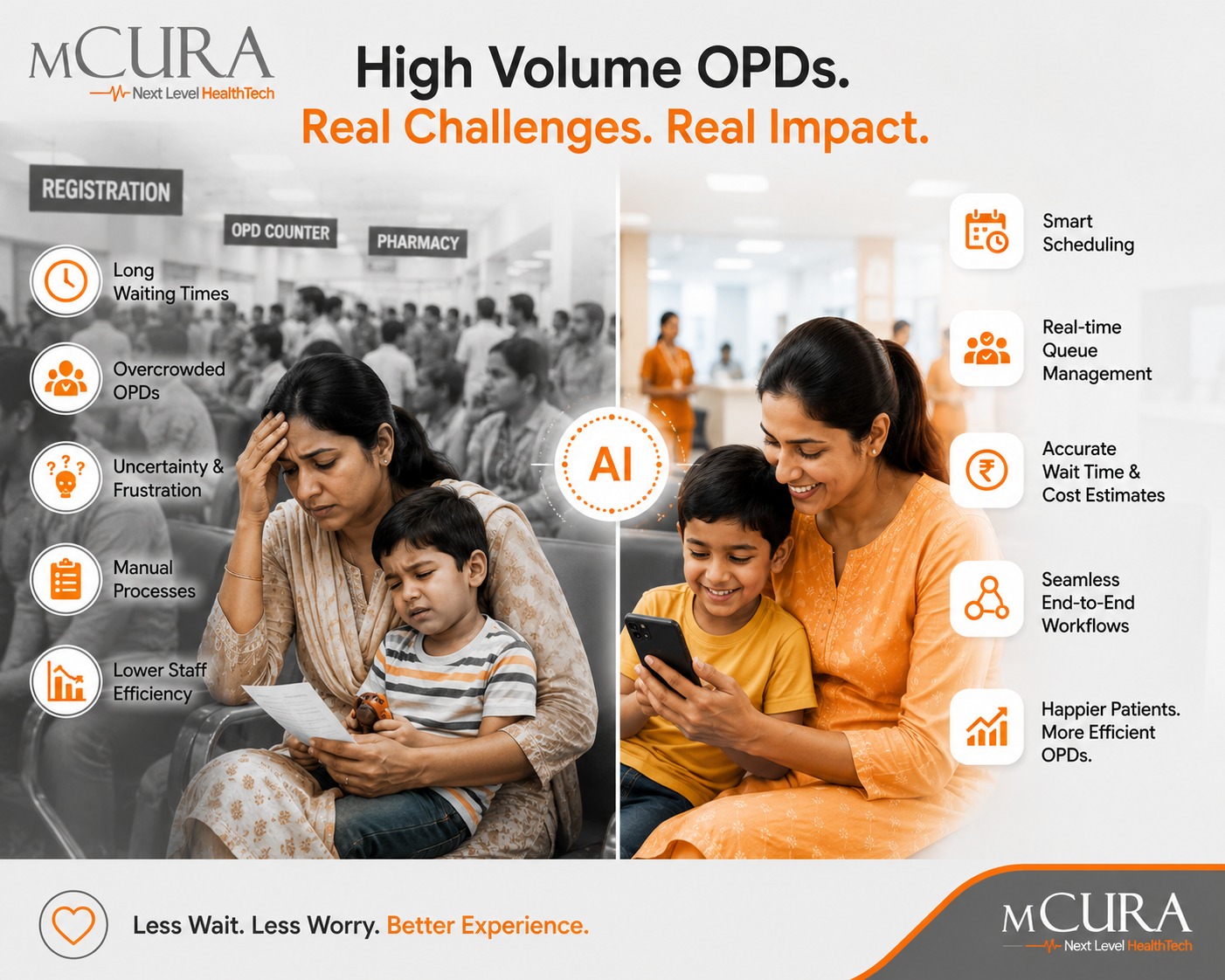
A mother waiting endlessly with a sick child. An elderly patient struggling to move between consultation rooms, pharmacy counters and diagnostics. Doctors trying to manage overwhelming patient volumes while still attempting to provide quality care.
For many hospitals today, the challenge is no longer just clinical excellence. It is operational execution.
Outpatient Departments (OPDs) have become one of the most complex environments in healthcare. From registrations and queue management to consultations, prescriptions, diagnostics coordination, billing and follow-ups — every touchpoint directly impacts patient experience.
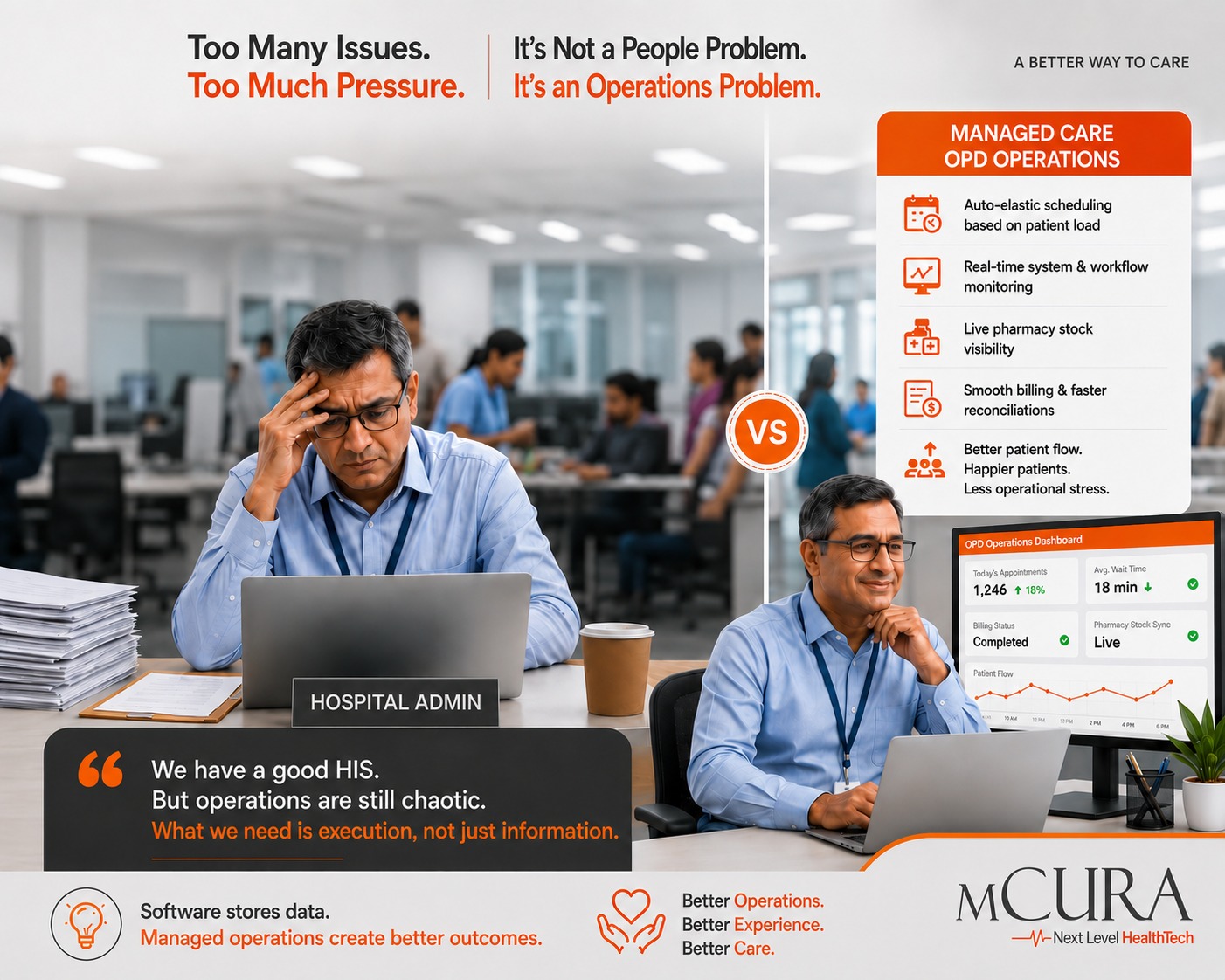
Yet many hospitals continue to manage OPD operations using fragmented systems, stretched manpower and disconnected workflows.
This is why a growing number of healthcare providers are now exploring OPD operations outsourcing.
Much like hospitals outsourced diagnostics, imaging and revenue cycle management over the years, OPDs are now evolving towards integrated operational models where technology, manpower and execution are managed together.
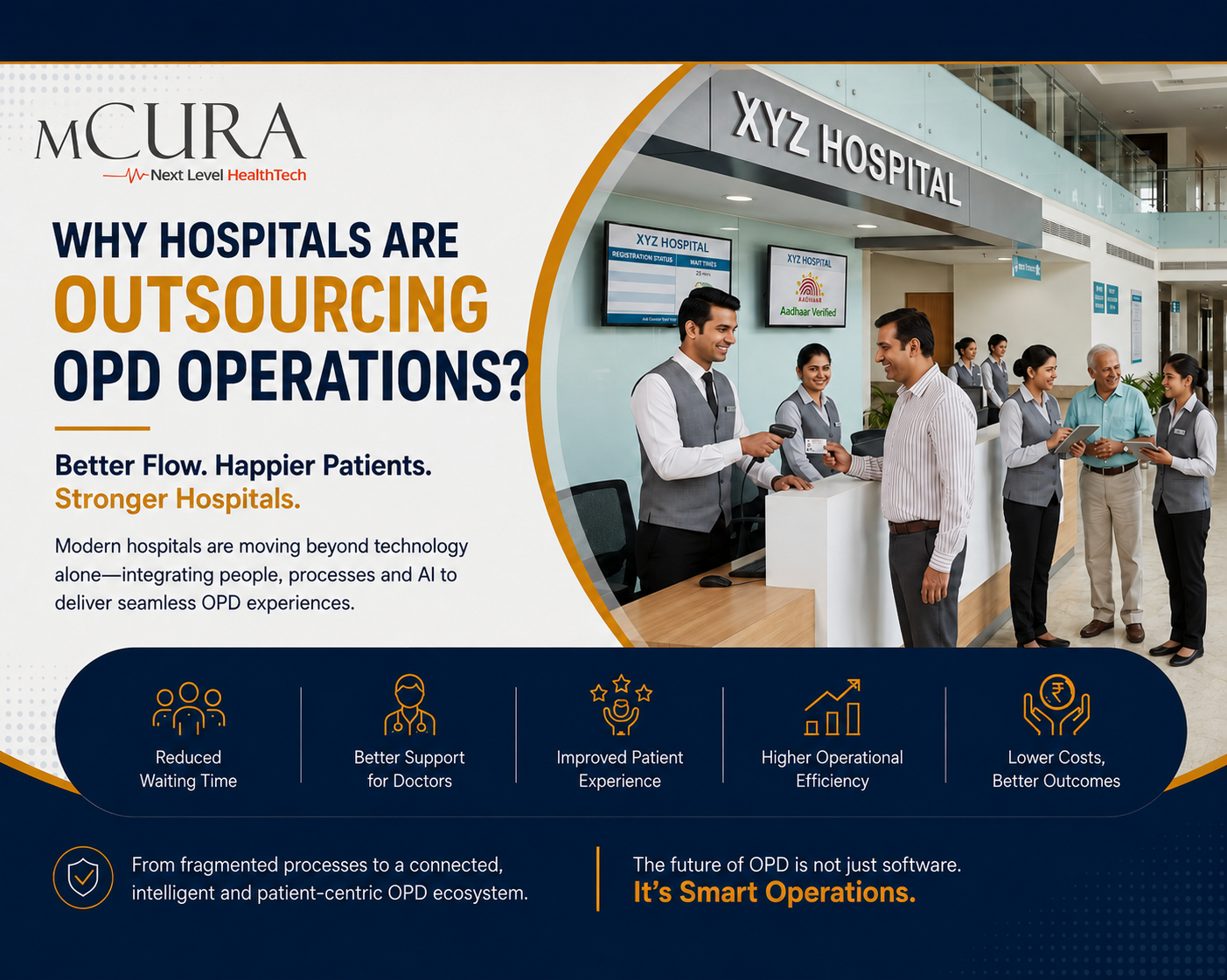
The Shift Towards Smarter OPD Operations
The shift is not only about reducing operational burden. It is about improving patient flow, reducing waiting times, supporting doctors more effectively and creating a smoother healthcare journey.
- Improve patient flow across departments
- Reduce OPD waiting times
- Support doctors with streamlined workflows
- Enhance patient experience and satisfaction
- Enable technology-driven operational efficiency
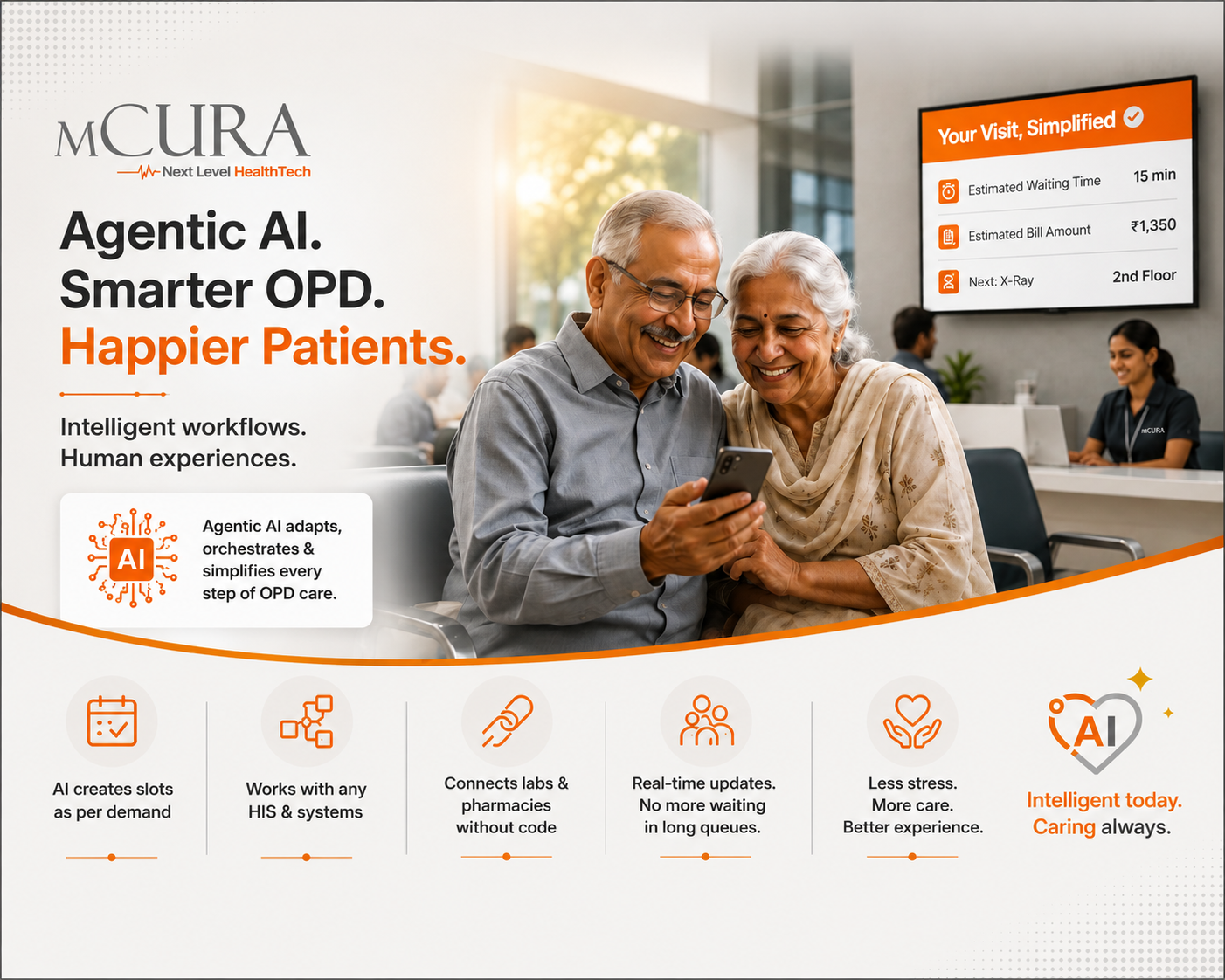
AI-powered workflow automation, smart queue orchestration, digital prescriptions and operational coordination are increasingly becoming essential in modern hospitals — especially in high-volume OPDs.
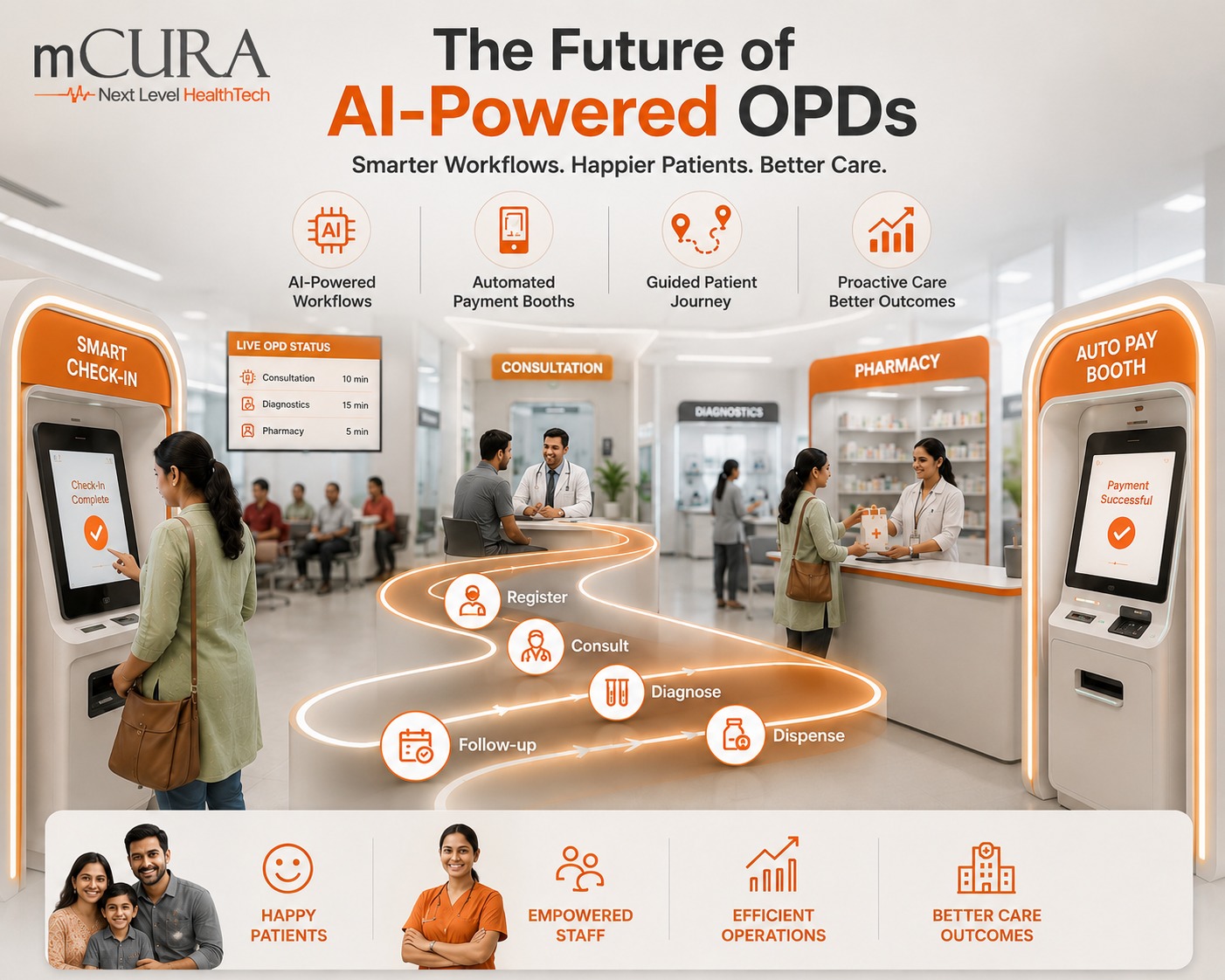
The future hospital OPD may no longer operate as isolated counters and departments. Instead, it may function as a connected, intelligent and patient-centric ecosystem.
Because in healthcare, every delayed process eventually becomes a human experience.
And hospitals are beginning to realize that operational efficiency is no longer optional — it is part of patient care itself.